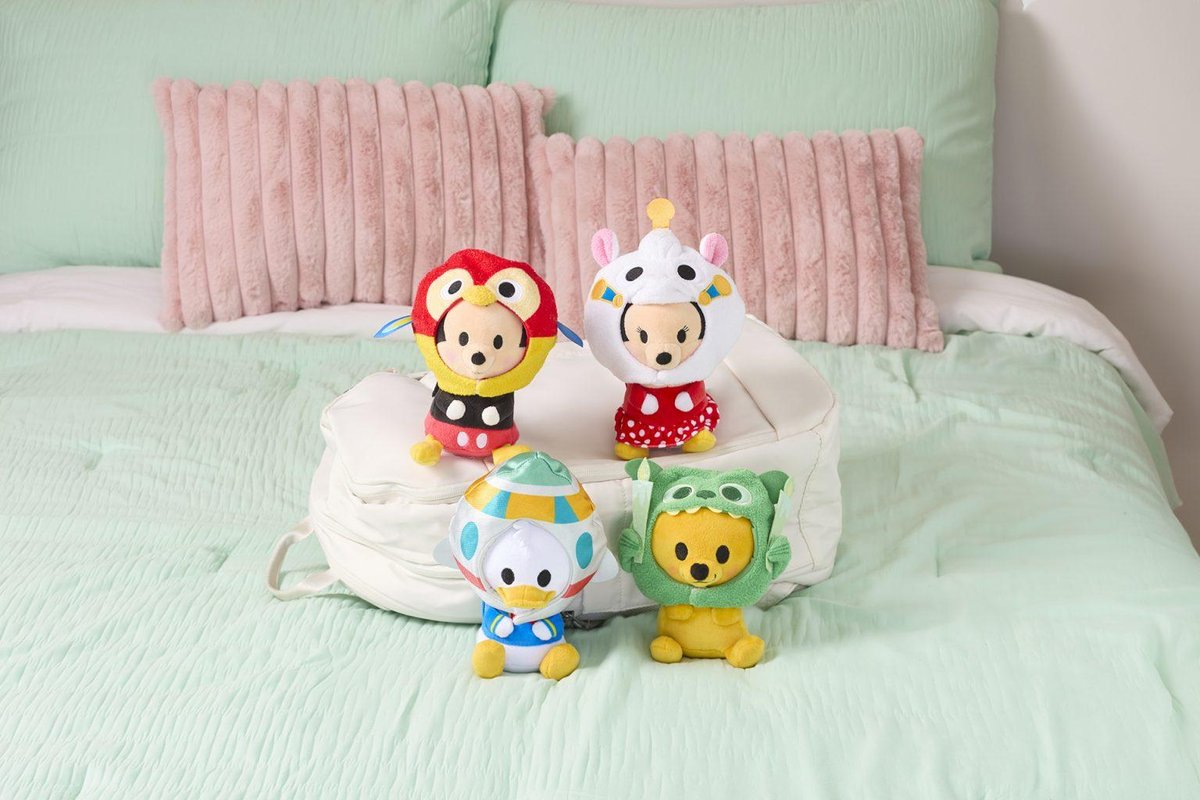
The moment a child clutches a plush Pluto or a parent sips from a Lady and the Tramp mug, they're engaging with something far grander than just a product. They’re tapping into a century of storytelling, comfort, and cultural significance. This isn't merely about commerce; it’s about Beyond the Screen: Merchandise & Cultural Impact of Disney Dogs, a phenomenon that solidifies these beloved canines as enduring icons. From playful pups to heroic hounds, Disney dogs aren't just characters; they're family, companions, and silent shapers of our values, their influence extending far past the final credits.
At a Glance: The Enduring Paw Print of Disney Dogs
- More Than Movie Stars: Disney dogs like Pluto, Goofy, Lady, and Pongo have transcended their original animated roles to become cultural fixtures.
- Merchandise Powerhouse: Plush toys, apparel, home decor, and even pet products based on these characters drive a multi-billion dollar industry.
- Emotional Connection: Merchandise fosters nostalgia, comfort, and a sense of connection, extending the magic of Disney into everyday life.
- Values Reinforcement: These characters subtly teach loyalty, bravery, empathy, and the importance of family, influencing generations.
- Cultural Iconography: Disney dogs are globally recognized symbols that shape our perception of companionship and canine nature.
- Evolving Legacy: Their impact continues to adapt, proving their timeless appeal in a changing media landscape.
The Canine Kingdom of Disney: Where Legends Are Unleashed
Before we dive into the sprawling merchandise empire and deep cultural roots, it’s worth remembering how these four-legged stars first wagged their way into our hearts. Disney, a company that began in 1923 as a humble animation studio, quickly learned the power of its characters. While Mickey Mouse might be the global ambassador of joy and optimism, his loyal pal, Pluto, introduced in 1930, cemented the dog's role in the Disney universe. Soon after, Goofy (a bipedal, talking dog, distinctly different from Pluto), arrived, carving out his own niche as a lovable, clumsy friend.
The storytelling expanded with groundbreaking animated features. Lady and the Tramp (1955) captivated audiences with a romantic tale from a dog's perspective, while 101 Dalmatians (1961) presented a thrilling adventure centered entirely on a family of pups. These films weren't just entertainment; they were masterclasses in anthropomorphism, giving dogs distinct personalities, emotions, and heroic arcs. They showcased the loyalty of a simple pet, the wisdom of an old hound, and the unbreakable bond between dogs and their humans. This foundation of rich, emotional storytelling is precisely what fuels their enduring appeal and lays the groundwork for their significant presence All about Disney dog movies.
These early successes established a fundamental truth for Disney: dogs weren't just sidekicks; they were leading characters, capable of carrying entire narratives and embodying universal themes. Their innocent charm, unwavering loyalty, and often humorous antics resonated deeply with audiences of all ages, creating an immediate and lasting emotional connection that would become a cornerstone of Disney's cultural influence.
Beyond the Barks: The Merchandise Machine That Keeps on Giving
The moment a character captures public imagination, the opportunity for connection extends far beyond the silver screen. For Disney dogs, this connection manifests as a colossal merchandise empire. It’s not just about selling products; it’s about allowing fans to bring a piece of that magic, comfort, and nostalgia into their daily lives.
From Plush to Pet Bowls: A Multiverse of Merchandise
Disney's approach to merchandise is comprehensive, covering virtually every consumer category imaginable. Think of a product, and chances are, a Disney dog has adorned it:
- Toys & Collectibles: This is perhaps the most obvious category. Plush toys of Pluto, Lady, or Max (Goofy's son) are ubiquitous, providing tactile comfort and inspiring imaginative play for children. Figurines, pins, and limited-edition statues appeal to collectors, who cherish the artistry and scarcity of these items.
- Apparel & Accessories: From "I Love My Dalmatian" t-shirts to Goofy baseball caps and backpacks featuring Dug from Up, Disney dog apparel allows fans to wear their loyalty on their sleeves (literally). Pajamas, socks, and even high-fashion collaborations extend this reach.
- Home Goods & Decor: Imagine a kitchen adorned with Lady and the Tramp serving dishes, a child’s room with 101 Dalmatians bedding, or a living room with a throw pillow featuring a charming portrait of Pluto. These items infuse homes with character and warmth.
- Digital & Interactive Experiences: Beyond physical goods, Disney dogs inhabit video games, mobile apps, and digital content, keeping them relevant to newer generations in virtual spaces.
- Pet Products: In a brilliant full-circle moment, Disney capitalizes on the real-world love for dogs by offering Disney-branded pet collars, leashes, food bowls, and even dog beds featuring characters like Pluto or Pongo. This allows pet owners to share their Disney fandom with their own furry companions, bridging the gap between fiction and reality.
- Theme Park Exclusives: Visiting Disneyland or Disney World often means encountering exclusive merchandise, from pins to apparel, that cannot be found elsewhere, making these items cherished souvenirs of immersive experiences.
This vast array of merchandise isn't accidental. It's a meticulously crafted strategy that intertwines intellectual property with consumer goods and immersive experiences, influencing global buying habits and lifestyle choices, as Disney’s historical impact demonstrates. The sheer volume and variety ensure that there's a Disney dog product for every age group, every income level, and every imaginable use case, continually reinforcing the characters' presence in popular culture.
The Psychology of Purchase: Why We Can't Resist a Disney Dog
It’s easy to dismiss merchandise as mere consumerism, but for many, the act of purchasing Disney dog items is deeply psychological and emotional.
- Nostalgia as a Superpower: For adults, a Pluto mug isn't just a mug; it's a direct portal back to childhood, conjuring memories of simpler times, Saturday morning cartoons, and innocent joy. This powerful emotional pull drives significant sales.
- Emotional Connection & Comfort: Disney dogs, by their very nature, symbolize unconditional love, loyalty, and companionship. Owning a plush version of a character offers a tangible source of comfort, especially for children who view these characters as friends.
- Identity & Expression: For many, displaying Disney dog merchandise is a way to express a part of their identity—their love for animals, their playful spirit, or their appreciation for Disney storytelling.
- Gift-Giving: Disney dog items are perennial favorites for gifts, embodying thoughtfulness and a shared love for the characters. They are safe, universally appealing presents that bring a smile.
- Collecting & Fandom: The joy of collecting, of seeking out rare or complete sets of pins, figurines, or limited-edition items, taps into a human desire for mastery and completion, fueling a passionate subculture of Disney dog enthusiasts.
In essence, Disney dog merchandise serves as a physical embodiment of the emotional capital built through storytelling. It’s a transaction that offers more than just an item; it offers a piece of magic, a memory, or a comforting presence, making it an incredibly powerful force in the consumer market.
Shaping Hearts and Homes: The Profound Cultural Impact
Beyond the jingle of cash registers, Disney dogs have woven themselves into the fabric of global culture, influencing how we perceive our own pets, teaching us values, and becoming indelible parts of our collective imagination. Disney's broader cultural influence, from shaping perceptions of childhood to impacting social values, provides the perfect lens through which to view these canine stars.
Defining "Man's Best Friend": Disney's Canine Portrayals
Disney didn't invent the concept of a loyal dog, but it certainly amplified it, setting a high bar for what a fictional (and often real) canine companion could represent:
- Unconditional Love and Loyalty: From Pluto's unwavering devotion to Mickey to Lady's steadfast heart, these characters consistently exemplify the deepest forms of loyalty. They are always there, always forgiving, and always loving, reinforcing the ideal of "man's best friend."
- Bravery and Heroism: Pongo and Perdita bravely rescuing their puppies, Dodger leading Oliver through the streets of New York, or even Bolt believing he has superpowers—these stories showcase dogs as courageous protectors and heroes. They teach that even the smallest or most seemingly ordinary can be extraordinary.
- Empathy and Responsibility: Films like 101 Dalmatians highlight the joys and challenges of pet ownership, from the chaotic fun of puppies to the fierce protectiveness of their parents. They subtly encourage empathy towards animals and underscore the responsibility that comes with caring for them.
- Family Dynamics: Whether it’s the domestic bliss of Lady and Tramp raising their pups or the extended family adventures of the Dalmatians, these films often center on canine families, mirroring and reinforcing human family values of togetherness, support, and mutual care.
- Breaking Stereotypes (and sometimes reinforcing): While early portrayals might have leaned into certain dog breed stereotypes, many Disney dogs also showed incredible depth and nuance, challenging simple "good vs. bad" dichotomies and showing the complexity of animal (and human) character.
Through these consistent portrayals, Disney dogs help shape how children (and adults) view animals, encouraging kindness, understanding, and a profound appreciation for the unique bond between humans and their pets.
More Than Just a Pet: Disney Dogs as Cultural Icons
Like Mickey Mouse himself, Disney dogs have achieved global recognition, transcending language and cultural barriers to become universal symbols:
- Global Recognition: A silhouette of Pluto or a picture of Lady and the Tramp kissing over a plate of spaghetti is instantly recognizable worldwide. These characters are part of a shared global lexicon of imagery and storytelling.
- Role in Childhood Imagination: For countless children, Disney dogs are foundational figures in their imaginative play. They are the heroes in made-up adventures, the comforting presences in pretend homes, and the first "friends" outside their human family. This early exposure helps shape how children interact with stories and characters.
- Symbolic Representations: Pluto, for instance, isn't just Mickey's dog; he represents innocence, playful energy, and the unadulterated joy of companionship. Such characters become symbolic shorthand for these qualities in broader cultural discourse.
- Influence on Pet Culture: It's no coincidence that after 101 Dalmatians was released, Dalmatian popularity surged. Disney dogs have historically influenced pet ownership trends, popular dog names, and even the general perception of certain breeds, demonstrating their tangible impact on real-world animal culture.
In this way, Disney dogs contribute significantly to the broader cultural tapestry that Disney has woven over the past century, a tapestry that defines childhood, fantasy, and family entertainment. Their presence reinforces Disney's core messages of hope and imagination, making them powerful agents of cultural transmission.
The Disney Difference: Reinforcing Core Values
Disney has long been criticized and celebrated for its role in shaping social norms and values. Its dog characters are often quiet champions of these messages:
- Kindness and Empathy: Whether it’s a dog helping a lost human or an underdog finding its place, stories featuring Disney dogs often emphasize the importance of kindness, compassion, and understanding others, regardless of their background or species.
- Teamwork and Perseverance: From the collective effort of the Dalmatians to escape Cruella to Dodger's street-smart group dynamics in Oliver & Company, these narratives subtly teach the power of working together and never giving up in the face of adversity.
- Family Importance: The focus on family units, whether biological or chosen, is a constant theme. Disney dogs demonstrate the unbreakable bonds of family, reinforcing a core value that Disney consistently promotes across its content.
- Accessible Ethical Dilemmas: Through their adventures, these characters often face accessible versions of ethical dilemmas—loyalty versus self-preservation, bravery versus fear—providing children with early frameworks for understanding morality in a non-threatening way.
By presenting these values through relatable, lovable animal characters, Disney dogs make complex social and emotional lessons digestible and impactful for young audiences, contributing to the company's enduring legacy of shaping positive societal values.
Challenges and the Evolving Paw Print
Even beloved characters aren't immune to the complexities of a modern, critical audience. Disney, as a massive corporate entity, constantly navigates concerns, and its dog characters, while largely positive, exist within this framework.
Navigating Commercialization: The Fine Line
One of Disney's perennial criticisms is its pervasive commercialization, often blurring the lines between entertainment and advertising, particularly for children. Disney dogs are undeniably a part of this economic engine:
- Consumerism Concerns: While the emotional connection to merchandise is strong, the sheer volume and continuous marketing of Disney dog products can fuel concerns about excessive consumerism, especially when targeting impressionable young audiences.
- Value vs. Price: For parents, balancing the desire to provide joy through character products with teaching prudent spending habits can be a challenge. The ubiquity of Disney dog merchandise ensures it's a constant presence in these discussions.
However, compared to criticisms around gender roles or cultural appropriation that more complex human characters face, the critique of commercialization for Disney dogs tends to be less sharp. This is largely because their core values (loyalty, companionship) are universally positive and less prone to misinterpretation or offense.
Staying Relevant: Adapting to Modern Audiences
For characters born decades ago, maintaining relevance is key. Disney dogs, like the rest of the Disney pantheon, must adapt:
- New Dog Characters: Disney continues to introduce new beloved canines, such as Dante from Coco or Pico from Encanto, who bring modern sensibilities and often represent diverse cultural backgrounds, aligning with Disney’s efforts toward authentic representation.
- Modern Storytelling: Even classic characters find new life in reboots, spin-offs, or updated animation styles, ensuring they remain visually and narratively appealing to contemporary viewers.
- Digital Engagement: As mentioned, their presence in games, apps, and social media keeps them in conversation with younger, digitally native audiences.
By continuously refreshing their approach to both existing and new dog characters, Disney ensures that the "paw print" of its beloved canines remains fresh, vibrant, and relevant, proving their timeless appeal in an ever-changing media landscape.
Unleashing the Magic: What’s Next for Disney’s Four-Legged Stars?
The story of Disney dogs is far from over. As Disney evolves, embracing new technologies and diverse storytelling, its canine characters will undoubtedly continue to lead the pack in inspiring audiences. We can expect:
- Enhanced Interactive Experiences: Think augmented reality apps where you can "play" with a digital Pluto in your living room, or personalized AI companions based on classic Disney dog personalities.
- Deeper Narrative Exploration: New animated series or short films might delve into untold backstories or explore the daily lives of these characters in more nuanced ways, catering to a sophisticated audience.
- Sustainable Merchandise: As consumer consciousness shifts, Disney is likely to focus on more ethically sourced, recycled, and sustainable merchandise options for its dog characters, aligning with global environmental values.
- Global Collaboration: More characters like Dante and Pico signal a continued commitment to creating globally relevant dog characters that resonate with diverse audiences, reflecting different cultures and canine breeds from around the world.
The enduring power of Disney dogs lies in their simplicity and universality: they represent unconditional love, loyalty, and the pure joy of companionship. These are timeless themes that transcend trends and technologies.
Your Guide to the Canine Legacy
From their animated debuts to the shelves of your favorite stores and the subtle influence on your perception of pets, Disney dogs have carved out an undeniable space in our cultural consciousness. Their merchandise isn't just plastic or fabric; it’s a tangible link to cherished memories, heartwarming stories, and deeply ingrained values.
Next time you spot a familiar wagging tail on a t-shirt or cuddle a plush pup, take a moment to appreciate the journey: Beyond the Screen: Merchandise & Cultural Impact of Disney Dogs is a testament to how simple, well-told stories, embodied by beloved animal characters, can leave an indelible mark on hearts, homes, and culture for generations to come. They remind us that sometimes, the most profound impacts come on four paws and with a happy bark.